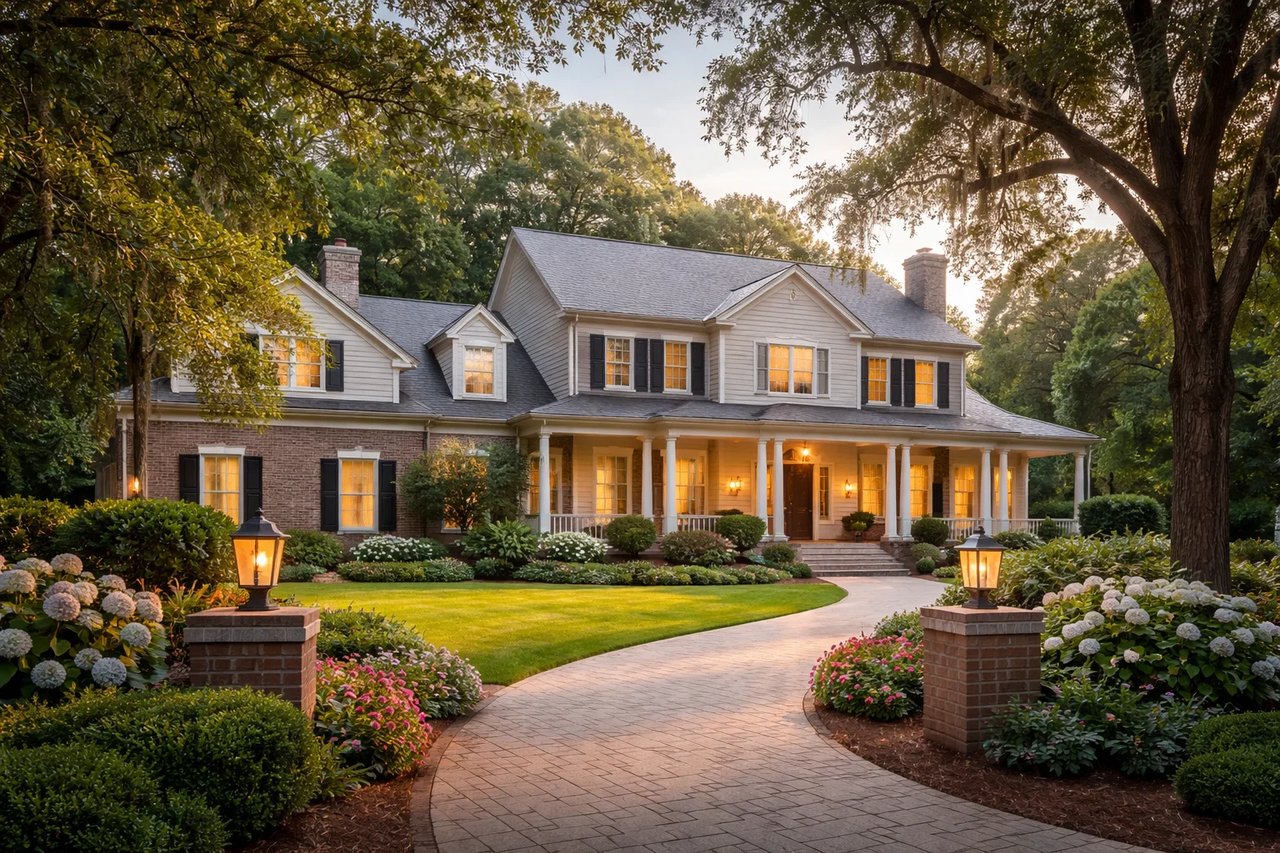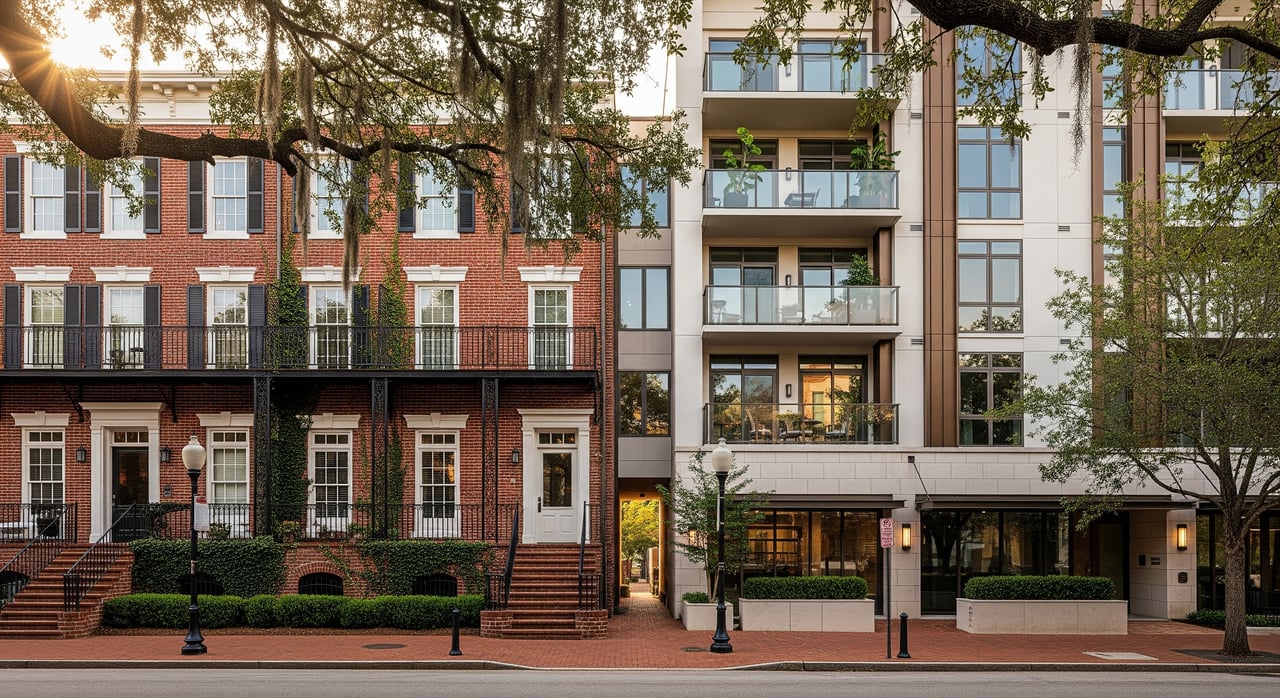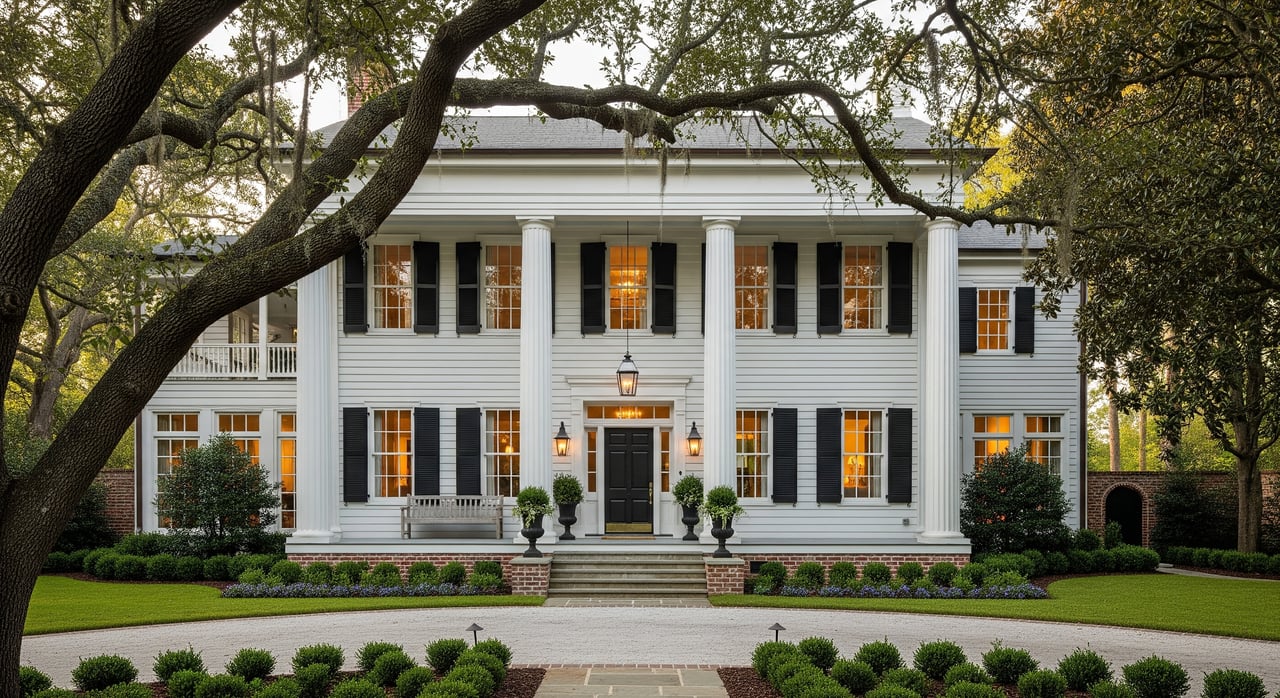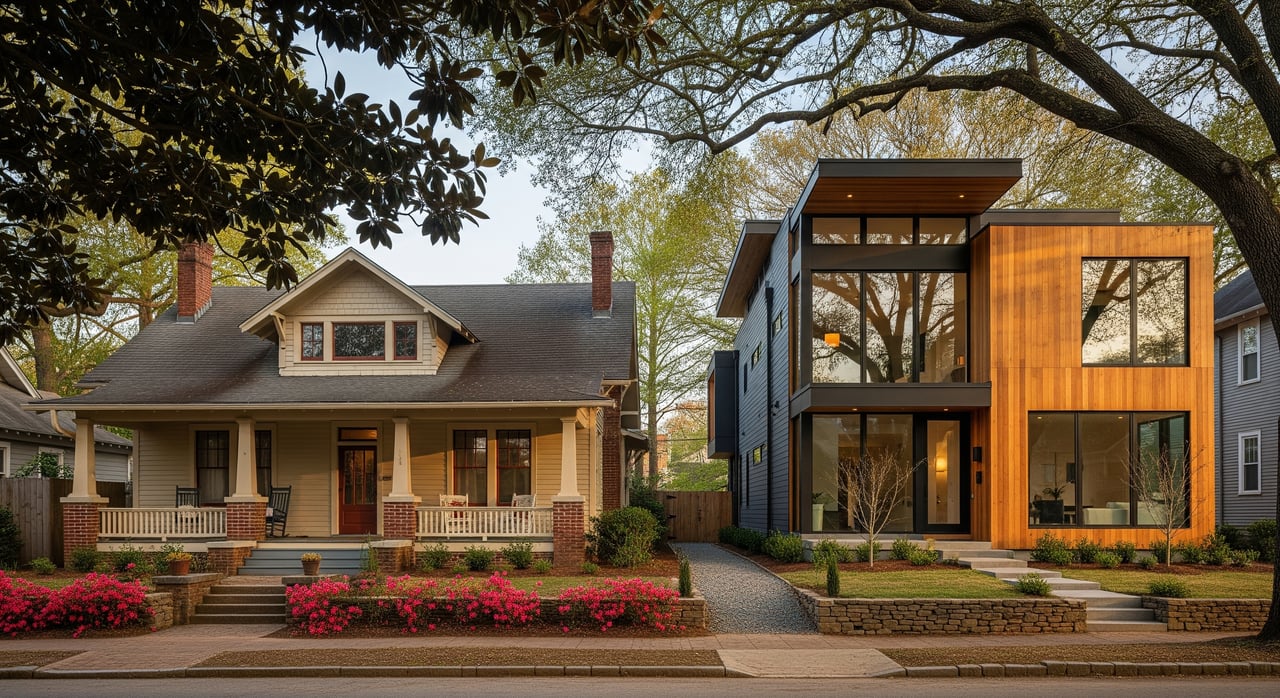
Torn between a cozy Normaltown bungalow and a sleek new build nearby? You’re not alone. Both options offer real benefits, from character and walkability to efficiency and low maintenance. In this guide, you’ll learn how each choice fits everyday life, what to expect for upkeep and energy use, and how local rules can shape your plans. Let’s dive in.
Normaltown at a glance
Normaltown sits just west of downtown Athens and near the University of Georgia. You’ll see early 20th-century bungalows, cottages, and Craftsman-style homes alongside some newer infill builds. Many buyers value the neighborhood’s walkability to dining, music, and daily needs, plus its mature trees and established streetscape.
Historic homes: charm and tradeoffs
What you gain
Historic Normaltown homes often deliver original details like woodwork, porches, built-ins, and period millwork. You also get human-scale rooms, mature landscaping, and a strong neighborhood feel. Walkability is a standout for many buyers.
What you trade
Expect smaller kitchens, fewer bathrooms, and tighter storage in many older floorplans. Some homes have steeper stairs or lower ceilings. Expanding space is possible through additions or attic conversions, but layout and budget often set limits.
Inspection priorities
Older homes deserve a deeper look at roof age and flashing, foundation and settlement, and moisture management in Athens’ humid climate. Ask your inspector to evaluate wiring type, plumbing materials, HVAC age, and window condition. Consider targeted inspections such as pest, sewer scope, and a specialist for lead paint or asbestos if you suspect period materials.
New construction: comfort and ease
What you gain
New builds typically offer open floorplans, larger kitchens, and modern primary suites. You’ll find better storage, efficient windows, current insulation levels, and up-to-code electrical and plumbing. One-level layouts and accessibility features are easier to achieve in new construction.
What you trade
New builds may lack the mature canopy and patina that define Normaltown’s older streets. Architecture can feel more standardized compared to the distinct character of historic homes. Landscaping and neighborhood “feel” develop over time.
Warranties and insurance
Builders commonly offer staged warranties. Many new homes include workmanship coverage around one year, mechanical and systems coverage around two years, and limited structural coverage that can extend longer. Always verify actual terms. Insurance is often more predictable on newer homes, while matching historic materials on older houses can increase replacement costs.
Systems, energy, and monthly costs
Older homes usually have higher energy use per square foot due to minimal insulation, original windows, and air leakage. New construction generally includes efficient HVAC, better insulation, and modern windows that lower monthly bills. If you love an older home, energy retrofits like air sealing, added insulation, and HVAC upgrades can narrow the gap. A focused audit and prioritized plan help you balance comfort, cost, and preservation of original details.
Rules and permits in Athens-Clarke
Design review and overlays
Some streets or properties fall under local historic or conservation rules. Exterior changes may require design review and permits, especially for additions, windows visible from the street, siding, and porches. Not every older home is regulated, so check status early.
Timelines and budgets
When design review applies, expect longer planning windows and potentially higher costs for approved materials and specialized trades. The upside is that thoughtful, guideline-aligned improvements often support long-term neighborhood value.
Incentives
Federal historic rehabilitation tax credits primarily apply to income-producing historic properties. For homeowner projects and any local programs, confirm eligibility with the appropriate state and county preservation offices.
Climate and site considerations
Athens has a humid subtropical climate with hot summers and mild winters. Moisture control is essential, especially for basements and crawlspaces. Pay close attention to grading, gutters, flashing, and ventilation. Review flood maps and local stormwater information for lot-specific risk. Mature trees add shade and character but can impact roofs, foundations, and utilities, so factor maintenance into your plan.
A simple scorecard to decide
Use this 1–5 scale for each factor, then total the scores for each property you’re considering:
- Walkability and proximity to your priorities
- Architectural and overall character
- Mechanical and energy performance
- Immediate maintenance and repair needs
- Long-term resale and market fit
Higher totals signal a better fit for your lifestyle and risk tolerance. If two homes score closely, revisit what matters most to you, such as remodel capacity or near-term maintenance.
Pre-offer due diligence checklist
Before you write an offer, try to gather:
- A general home inspection plus roof, structural, HVAC, pest, and sewer scope as needed
- Permit history and documentation for any past renovations
- Ages and expected service lives for roof, HVAC, water heater, electrical panel, and plumbing
- Historic designation status and any design review requirements
- The past 12 months of utility bills for energy and water
- An insurance quote and any lender requirements for repairs
- Local comparable sales segmented by age and condition
If you choose historic, start here
Plan a prioritized retrofit sequence for comfort and durability in our climate:
- Address the exterior envelope first, including roof, gutters, and drainage.
- Solve moisture issues with grading corrections and a crawlspace vapor barrier.
- Right-size HVAC, seal ducts, and ensure proper dehumidification.
- Perform air sealing and add insulation, especially in the attic.
- Update electrical and plumbing where needed for safety and function.
- Repair or enhance windows with restoration or storms before considering full replacements.
Obtain multiple bids and include a contingency, since older homes can reveal surprises.
If you choose new construction, verify these
- The builder’s warranty terms and what each stage covers
- HVAC efficiency ratings, insulation levels, and window performance
- Documented permits and final inspections for the build
- Site drainage, grading, and gutter details to manage heavy summer rains
- Any planned landscaping and tree selections to support shade and privacy over time
The bottom line in Normaltown
If you crave character, walkability, and established streetscapes, a historic Normaltown home may be your perfect match. If you value turn-key living, modern layouts, and lower maintenance in the near term, a new build can be a smart choice. Either path can work beautifully when you match the home to your lifestyle, budget, and time horizon.
When you’re ready to explore both sides of Normaltown, reach out to Gena Knox. I’ll help you compare specific homes, coordinate inspections, and navigate local rules so you buy with confidence.
FAQs
Will a historic Normaltown house cost more to insure or maintain?
- Potentially. Matching historic materials and addressing aged systems can raise costs. Get quotes and line-item estimates for near-term repairs before you buy.
Can I open up the floorplan or add bathrooms in a historic home?
- Often yes, if it’s structurally feasible and code compliant. Confirm any local design review rules early if the property lies in a historic overlay.
Are there tax credits for rehabbing a home in Athens?
- Federal rehabilitation tax credits mainly apply to income-producing historic properties. Check state and local guidance for homeowner programs or incentives.
Will a new build be more energy efficient and quieter?
- Generally yes. Modern insulation, windows, and mechanical systems reduce energy use and noise. Verify actual specs during due diligence.
What inspections matter most for older Normaltown houses?
- Start with a general inspection, then add roof or structural, pest, HVAC, and a sewer scope. Bring in specialists if you suspect lead paint, asbestos, or other period materials.